Search
-
Multiple tobacco and nicotine product use is increasingly common among young people
More young people are using two or more nicotine products at the same time, raising concerns about heightened nicotine dependence, worsening health problems,
-
Nearly 90% of Instagram posts by tobacco companies violate either federal regulations or guidance on youth marketing
The vast majority of Instagram posts by tobacco brand-owned accounts did not follow U.S.
-
Young people enrolled in Truth Initiative quit vaping program report high levels of e-cigarette addiction
The research suggests that those with higher levels of e-cigarette addiction may be more likely to seek help quitting.
-
“Abbott Elementary” highlights truth campaign, educators’ role in preventing youth tobacco use
Three suggestions for how best to address student tobacco use at school, informed by the staff and students of Abbott Elementary.
-
Need for Balancing Youth Protection and Adult Access: The Imperative of FDA’s Zyn Authorization
Helping adults who smoke and protecting youth are not competing priorities – they are shared responsibilities essential to advancing public health.
-
Incoming FDA Commissioner Dr. Robert Califf must stand up to the tobacco industry and protect youth from nicotine addiction
The FDA now has the strong, science-driven leadership needed to take a stand on the risks of commercial nicotine and dangers of youth vaping.
-
Nicotine prevention and quit resources: top tips for parents and educators
Here are free resources that exist to help prevent youth e-cigarette use and help those already vaping quit.
-
How celebrity-branded and tech-forward e-cigarettes may be contributing to youth nicotine use
In the growing e-cigarette marketplace, celebrity brands and tech-forward designs may be contributing to youth uptake of these cheap, flavored, and highly ad
-
Tobacco’s harmful impact on Hispanic and Latino Americans
Tobacco companies have a history of targeting Hispanic and Latino Americans.
-
A Policy Roadmap for Health Equity
Use this policy guide to help assess the influence of tobacco in your community, connect with local leaders and coalitions, support friends and family who wa
-
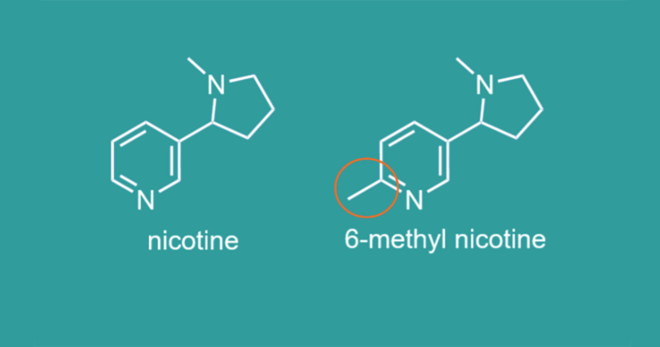
What are nicotine analogs? How a tiny chemical distinction creates a regulatory gap
Nicotine analogs are chemical compounds that are structurally similar, but not identical, to nicotine and have activity at nicotinic receptors in the brain.<
-
Tobacco use in the LGBTQ+ community
Lesbian, gay, and bisexual youth and adults report higher prevalence of tobacco product use than their heterosexual peers.
Displaying 60 of 1115 Search Results