


 News Article
5 lessons from Nevada State University's journey to become nicotine-free
When Nevada State University (NSU) officially enacted its tobacco- and nicotine-free campus policy in 2025, it marked the beginning of an exciting new chapter and brought a five-year adoption process to a successful end.
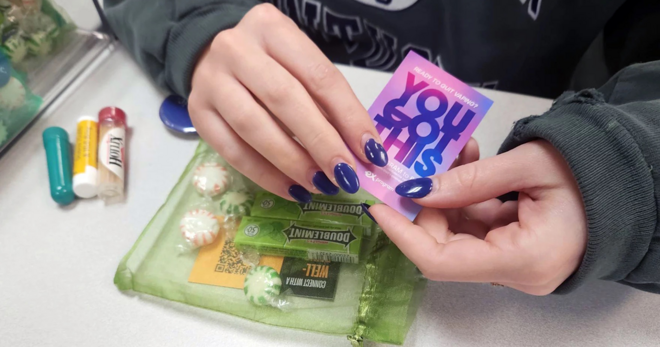
The "Breathe with Ease" initiative, supported by Truth Initiative's Tobacco/Vape-Free College Program, has created a safer and healthier campus environment for students, faculty, and staff. The policy has also provided those who use nicotine with resources to quit through EX Program — approaching students with support rather than pursuing disciplinary action.
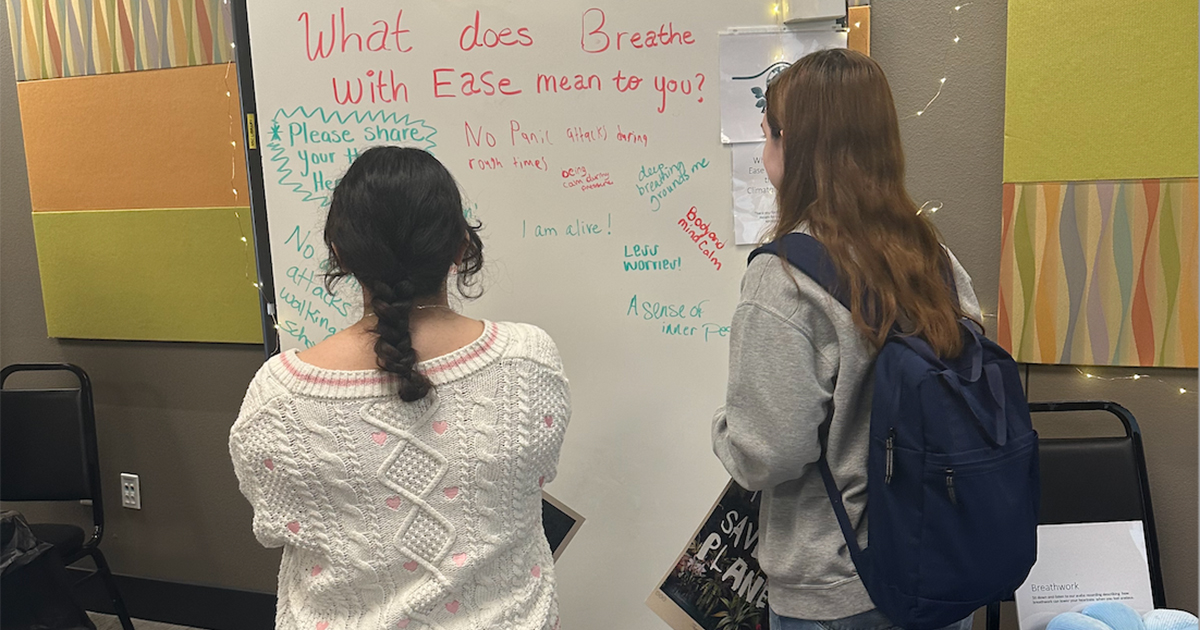
Throughout their policy adoption and implementation process, NSU employed a set of practices that other institutions can learn from. Here are five lessons learned from their experience.
1. Lasting change starts long before policy adoption
How to plan a tobacco-free policy for a college campus
The idea to implement a nicotine-free policy on the NSU campus began in 2020, when a student leader brought the idea to the university's Sustainability Council. An initial conversation gave way to a policy draft, and students started collecting letters of support from the Student Alliance, the Provost's office, and Faculty Senate leadership, and consulting with University of Nevada Las Vegas colleagues.
When NSU accepted the grant from Truth Initiative in 2025, they weren’t starting from zero. The grant supplied structure and technical assistance, and the existing foundation made it easier to build momentum. The lesson: big institutional change rarely happens in a single funding cycle. Advocates who plant the seeds in advance make the initiative possible.
2. Put students at the center, not on the sidelines
Role of students in a tobacco-free campus policy
NSU's college leaders staffed tables, distributed quitting resources, and directly shaped the policy language, pushing for stronger wording to ensure it reflected a genuine 100% tobacco- and nicotine-free standard. They presented to the Nevada State Student Alliance and secured a formal vote of support, helped obtain a signed endorsement from student government, and met one-on-one with the university president to make the case for the policy.
Giving students real influence over the policy’s substance helped ensure the outcome reflected what the community wanted and expected. It also built a base of student ownership that carried the initiative through the lengthy approval process.
3. Lead with the data
Role of analytics in a tobacco-free campus policy
Rather than making assumptions about how the campus felt about tobacco use, college leaders ran a campus-wide assessment that collected 173 responses from students, faculty, and staff. The results showed strong majority support for a nicotine-free campus and emphasized a need for clear and consistent signage.
Gathering this data accomplished two things: it validated support for the policy and gave the team concrete direction for implementation, from signage design to communication priorities.
4. Treat public feedback as a tool, not a hurdle
What is the role of public feedback in a tobacco-free campus policy
NSU's new institutional policy-development process required a 45-day public comment period that was open to students, faculty, staff, contractors, vendors, and community members. Rather than viewing this as a bureaucratic formality, the team used it to actively improve the policy. After hearing comments, college leaders updated FAQ documents, clarified enforcement language, and strengthened quit-support messaging in direct response to concerns about stigmatization, designated smoking areas, and compliance.
Following the comment period, the Student Alliance formally endorsed the proposal and Faculty Senate voted in favor after reviewing the feedback and implementation plans. Transparency during the review process built the trust that carried the policy to final approval.
5. When it comes to campus nicotine policies, support is more important than discipline
What is the most important aspect of implementing a tobacco-free campus policy
By centering quitting resources alongside the new policy, NSU signaled that the goal was community health, not punishment.
Throughout the initiative, NSU emphasized helping people quit over penalizing them for using nicotine on campus. The team promoted Truth Initiative's EX Program and the Nevada Tobacco Quitline as tools for quitting, building these resources directly into the final policy language. Implementation planning included campus maps of nicotine-free areas, bilingual communications, and educational displays, all designed to make the transition supportive rather than punitive.
A model for change
Beyond clearing the air on campus, the NSU “Breathe with Ease” initiative became one of the first major projects to move through Nevada State's redesigned policy development process — proving that shared governance, student leadership, and sustained community engagement can turn years of advocacy into lasting institutional change.
This initiative, and the lessons learned throughout the implementation and adoption process, should serve as a guide for other colleges and universities who wish to build safe and healthier campus communities.
More in tobacco prevention efforts


Want support quitting? Join EX Program
By clicking JOIN, you agree to the Terms, Text Message Terms and Privacy Policy.
Msg&Data rates may apply; msgs are automated.